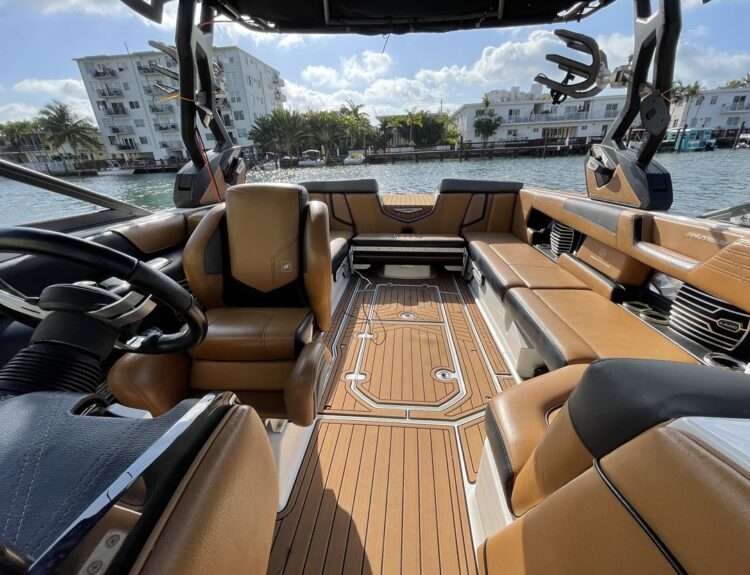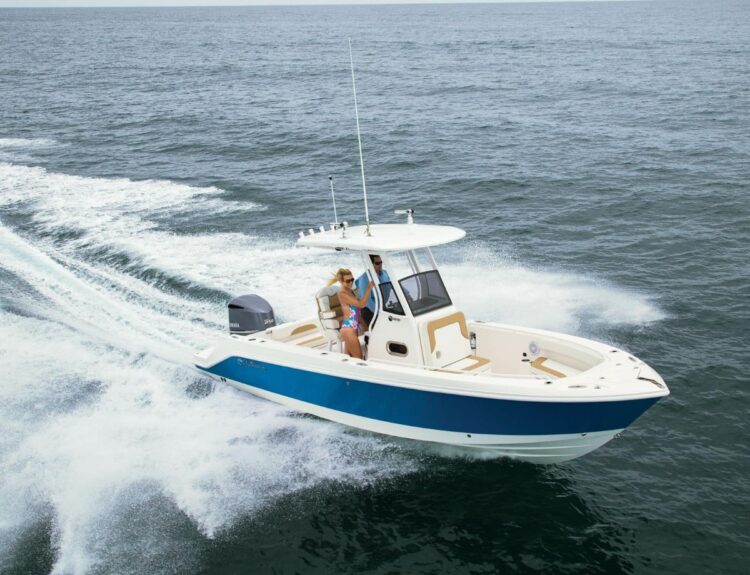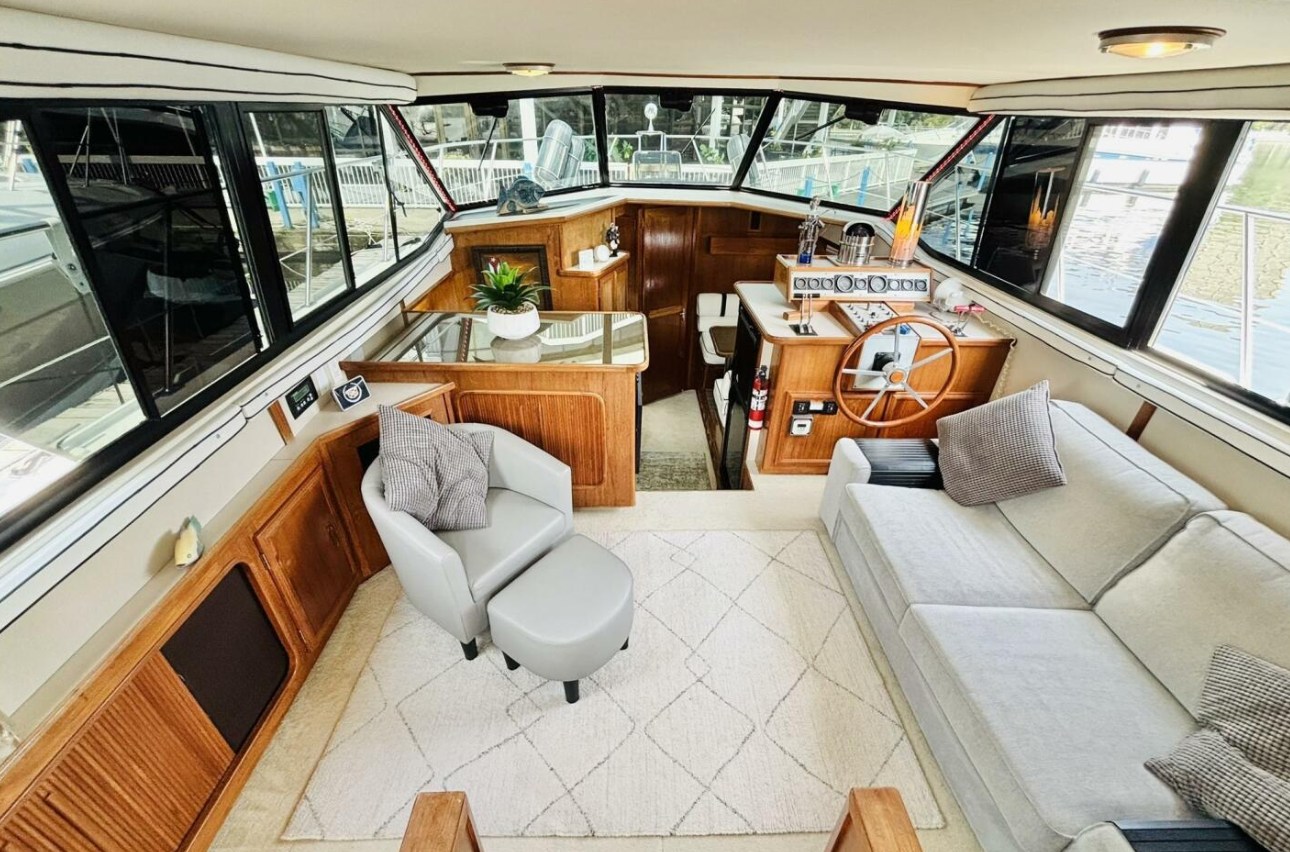
Professionals involved in marine interior design often point out that true comfort on board begins with surface materials rather than layout alone. Those seeking professional solutions can start here, as specialists agree that boat cabin interior upholstery defines how a cabin feels, sounds, and ages under real marine conditions.
Unlike exterior finishes, interior upholstery is experienced continuously. It affects how space is perceived, how noise travels, and how comfortable a cabin remains during extended time on the water.
Interior Upholstery as a Sensory Element
Boat cabin interior upholstery plays a subtle but powerful role in shaping onboard experience. Soft surfaces influence acoustics, tactile comfort, and even psychological perception of space.
A well-upholstered cabin feels quieter and more controlled. Materials absorb vibration and soften sharp reflections, which is particularly important in compact interiors where sound tends to build quickly. As a result, upholstery contributes to a sense of calm that rigid surfaces cannot provide.
Additionally, the way materials respond to touch affects perceived quality. Upholstery that feels stable and well-finished reinforces confidence in the overall interior craftsmanship.
Material Choices and Their Visual Impact
Material selection determines how upholstery performs visually over time. In marine cabins, surfaces are exposed to fluctuating humidity, indirect sunlight, and limited airflow.
Marine-grade vinyl continues to be widely used due to its reliability and ease of care. It offers consistent texture and color retention, which is essential for interiors that must remain presentable with minimal effort.
Textile-based upholstery introduces warmth and depth. When engineered for marine use, these materials provide a more residential atmosphere while maintaining durability. However, correct backing and sealing are essential to prevent moisture-related issues.
Synthetic leather and hybrid fabrics are increasingly chosen for premium interiors. They combine refined appearance with improved resistance to cracking, fading, and surface fatigue.
Each material influences not only durability, but also how light interacts with the space.
Color, Texture, and Spatial Perception
In small cabins, upholstery choices can visually alter proportions. Lighter tones reflect available light and create a sense of openness, while darker surfaces add intimacy but require careful balance.
Texture plays an equally important role. Subtle grain patterns or fabric weaves add dimension without overwhelming the interior. For this reason, designers often favor restrained textures over bold patterns.
Boat cabin interior upholstery is typically coordinated with ceilings, wall panels, and seating to avoid visual fragmentation. Consistency across surfaces helps the cabin feel intentional and cohesive.
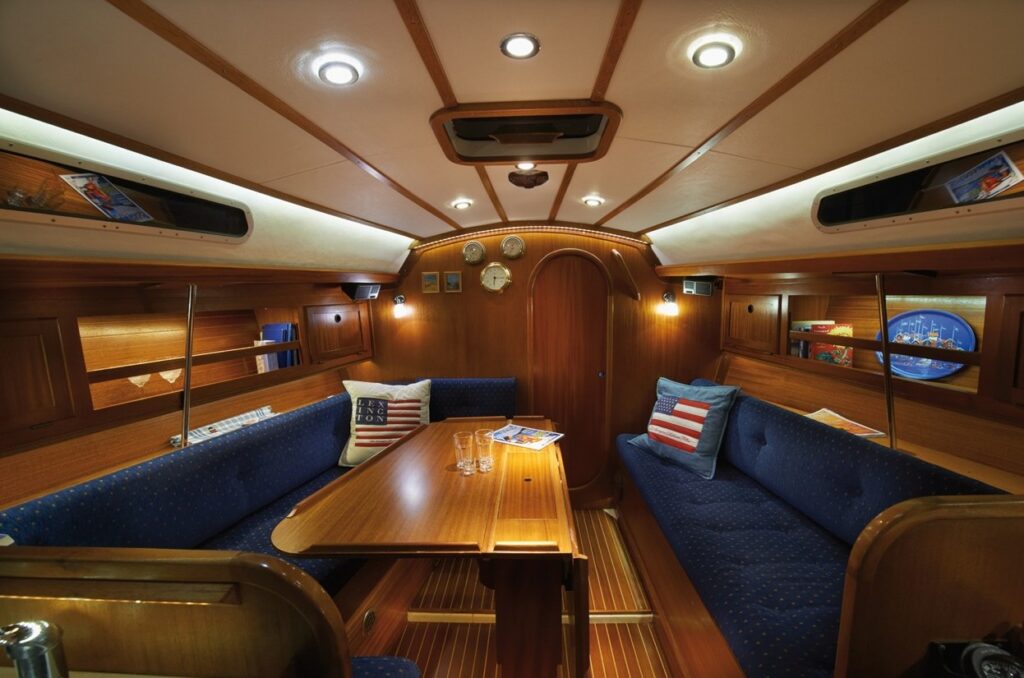
Installation Quality and Long-Term Appearance
Even the most advanced materials used in boat cabin interior upholstery rely on proper installation to perform as intended. Uneven tension, incorrect adhesives, or insufficient surface preparation can lead to visible defects over time.
Professionals emphasize that upholstery should be installed as part of a layered interior system. This includes insulation, vapor control, and secure backing surfaces. When these elements work together, interior finishes maintain their shape and appearance far longer.
Modular upholstery solutions are becoming more common, allowing individual sections of boat cabin interior upholstery to be serviced without disrupting the entire interior. This approach supports both maintenance efficiency and long-term adaptability.
Comfort Beyond Aesthetics
While visual appeal is important, comfort remains the primary purpose of interior upholstery. Upholstered surfaces reduce sound transmission from engines and mechanical systems, improving overall cabin usability.
Thermal comfort is another benefit. Upholstery combined with insulation helps stabilize interior temperatures, reducing heat buildup during the day and retaining warmth at night.
As a result, boat cabin interior upholstery is increasingly evaluated based on performance metrics rather than decorative appeal alone.
Maintenance Expectations in Real Use
Marine interiors must be practical. Upholstery that requires constant attention quickly becomes a liability.
Routine cleaning with marine-safe products preserves surface quality and prevents long-term discoloration. Regular inspections help identify early signs of wear, moisture exposure, or adhesive fatigue.
Materials designed for easy care often provide better long-term value, especially for vessels used frequently or seasonally.
Private vs High-Use Cabin Interiors
Usage intensity strongly affects upholstery requirements. Private cabins often prioritize softness, texture, and refined finishes. High-use or charter vessels require materials that withstand frequent contact and cleaning.
Understanding how a cabin will be used allows upholstery systems to be specified accurately, preventing premature wear and unnecessary replacement.
Conclusion
Boat cabin interior upholstery is far more than a decorative finish. It shapes comfort, acoustics, and the overall atmosphere inside a vessel.
When materials are selected thoughtfully and installed professionally, upholstery enhances both daily onboard experience and long-term interior value. By focusing on performance, balance, and maintenance practicality, modern marine interiors achieve a level of comfort that feels intentional, refined, and enduring.