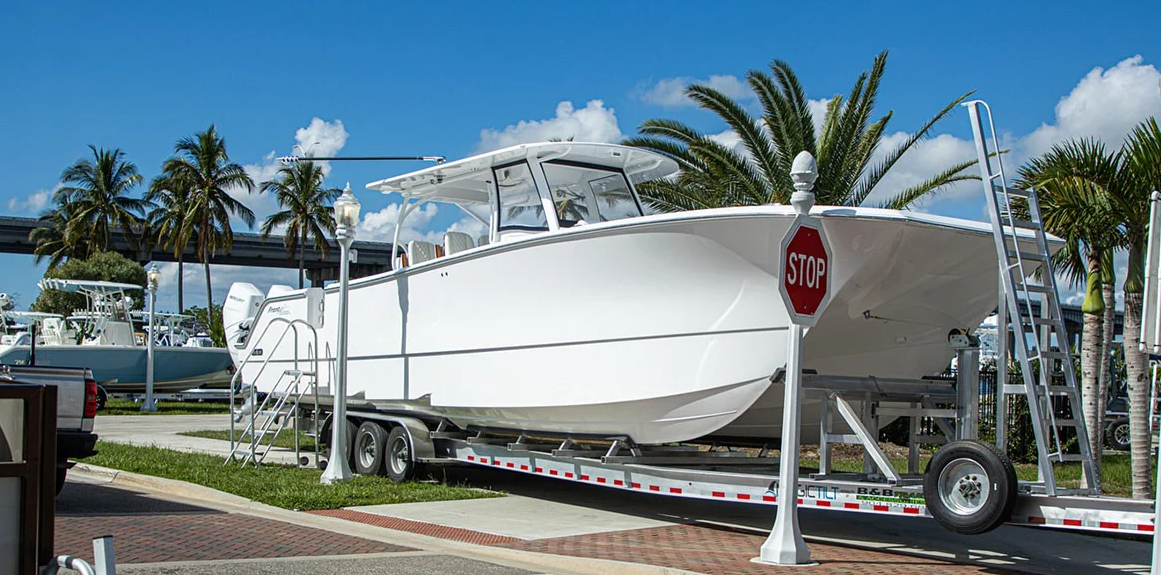
A reliable trailer is an important part of boat ownership because every trip to the water begins and ends with transportation. Even a trailer that appears to be in good condition can develop problems after repeated launching, road travel, and exposure to water. Tires, bearings, suspension components, brakes, lights, and structural parts all require attention over time. Boat Work Times helps boat owners with different marine repair needs, including professional boat trailer repair when towing equipment requires inspection or service.
Table of Contents
Start With a Complete Trailer Inspection
Before preparing a boat for a long trip, owners should inspect the trailer from front to back. Looking at only the tires or lights may not reveal problems developing in other components.
A basic inspection should include:
- Frame and crossmembers
- Tires and wheels
- Bearings and hubs
- Brakes
- Suspension
- Bunks or rollers
- Coupler
- Safety chains
- Winch and strap
- Lighting and wiring
A complete inspection makes it easier to identify several small problems before they become a larger towing issue.
Check the Trailer After Every Launch
Launching a boat places the trailer in a demanding environment. Wheels, hubs, brakes, and other components may come into contact with water every time the boat enters or leaves the ramp.
Freshwater exposure can still contribute to corrosion, while saltwater can accelerate corrosion on many metal components.
After launching in saltwater, rinsing the trailer with fresh water can help remove salt deposits. Owners should pay particular attention to hubs, brake components, springs, and other areas where water and debris can collect.
If corrosion is already affecting important components, boat trailer repair may be necessary before the trailer is used regularly again.
Wheel Bearings Need Special Attention
Bearings allow the wheels to rotate smoothly, but they operate under heat, friction, and significant load.
Water can become a problem when seals are damaged or when bearing components are not properly protected. Contaminated grease or insufficient lubrication can increase wear and eventually cause bearing failure.
Warning signs include:
- Grinding sounds
- Excessive wheel heat
- Vibration
- Wheel movement
- Grease leakage
Checking bearing condition before a long trip can reduce the chance of dealing with a roadside failure. When damage is found, boat trailer repair may involve cleaning, adjusting, repacking, or replacing bearing components.
Suspension Problems Can Affect Towing
A trailer’s suspension helps absorb road impacts and keeps the boat stable during transportation. Springs, hangers, axles, and related hardware can become worn or damaged over time.
A trailer that sits unevenly or behaves differently while turning may have a suspension or alignment issue.
Owners should look for:
- Cracked or damaged springs
- Corroded suspension hardware
- Uneven trailer height
- Loose components
- Abnormal tire wear
Suspension problems should not be ignored because they can affect tire wear, handling, and the overall stability of the trailer.
Proper Hull Support Matters
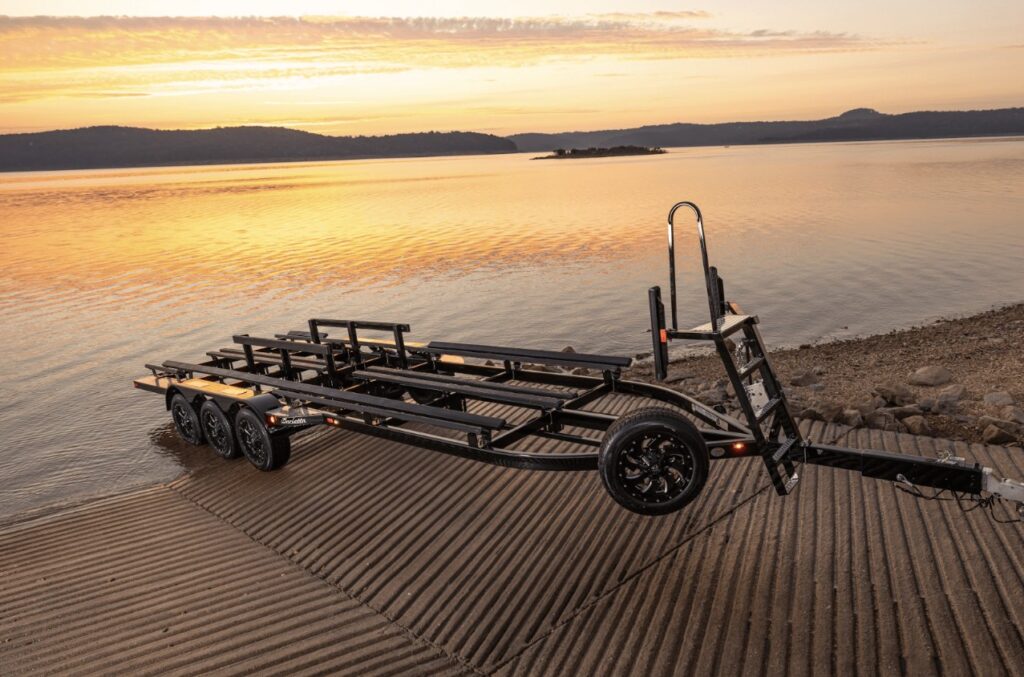
Bunks and rollers do more than hold the boat in place. They distribute the vessel’s weight across the trailer and help guide it during loading and unloading.
Worn carpeting, damaged supports, loose brackets, or incorrectly positioned rollers can create uneven pressure against the hull.
Owners should inspect these components for visible damage and verify that the boat sits correctly on the trailer.
If the trailer has been modified or the boat has recently been changed, checking the alignment and support points becomes even more important.
Brakes Should Be Tested Before Long Trips
Trailer brakes experience demanding conditions, particularly when a heavy boat is being transported.
Water exposure can contribute to corrosion, while normal road use creates wear. Hydraulic brake systems can also develop leaks or lose pressure.
Changes in braking behavior may indicate that the system needs attention. Uneven braking, unusual sounds, or reduced stopping performance should be investigated before the next major trip.
Professional boat trailer repair can include inspection of brake components, hydraulic lines, drums, or other equipment depending on the trailer design.
Inspect the Coupler and Safety Equipment
The coupler connects the trailer to the towing vehicle, making its condition especially important.
Owners should make sure that the coupler closes securely and that the locking mechanism works correctly. The hitch ball should also be compatible with the coupler.
Safety chains should be inspected for corrosion, damaged links, and secure attachment points.
The winch strap and hook should also be checked. A worn strap can become weaker over time, while a damaged hook or loose mounting point can create problems during loading.
Electrical Components Can Fail After Water Exposure
Trailer lights and wiring often encounter water, road spray, and corrosion.
Before towing, owners should verify that brake lights, turn signals, and running lights work correctly. Wiring should be inspected for exposed sections, loose connections, or damaged insulation.
Corroded connectors can create intermittent electrical problems that may be difficult to notice until the trailer is on the road.
Keeping connectors clean and protected can help maintain reliable lighting throughout the season.
Prepare the Trailer Before Storage
Trailer maintenance should not stop when the boat is removed from the water for the season.
Before storage, owners can clean the trailer, rinse away salt residue, inspect the tires, and check visible metal components for corrosion. Bearings, brakes, and suspension components should also be considered as part of the storage inspection.
Taking care of minor problems before storage can make the next boating season easier to start.
When Professional Service Is Worth Considering
Some trailer maintenance tasks are straightforward, but structural or mechanical problems may require professional attention.
Professional boat trailer repair can be useful when owners discover:
- Severe frame corrosion
- Damaged axles
- Bearing problems
- Brake failures
- Suspension damage
- Alignment issues
- Coupler problems
- Persistent electrical faults
A professional inspection can identify problems that may not be obvious during a basic visual check.
Final Thoughts
A boat trailer needs regular attention because it combines road loads with repeated exposure to water and changing environmental conditions. Bearings, brakes, suspension, tires, lights, hull supports, and towing components all contribute to reliable transportation.
Inspecting the trailer before and after regular use can help identify developing problems early. Cleaning away salt, checking moving components, and addressing unusual tire wear or braking behavior can also reduce the chance of unexpected failures.
When significant wear, corrosion, or mechanical damage is discovered, timely boat trailer repair can help restore the trailer and prepare it for safer, more dependable towing throughout the boating season.
For more useful articles about boat repairs, trailers, engines, electrical systems, plumbing, fiberglass, maintenance, and other marine services, you can find them here.