Boat ownership involves many decisions, from routine maintenance to upgrades that improve life onboard. While engines and navigation systems often receive the most attention, interior condition also influences the overall ownership experience. Seating is especially important because passengers use it throughout almost every trip. Choosing suitable boat seat materials can help owners reduce avoidable wear, maintain comfort, and preserve the appearance of their vessels. For professional marine upholstery and custom interior solutions, Boat Upholstery Fort Lauderdale works with boat and yacht owners who want seating designed for life on the water.
Table of Contents
Why Upholstery Is a Long-Term Investment
Boat seating experiences constant interaction with passengers and changing environmental conditions. Sunlight, moisture, salt, and regular cleaning gradually affect its condition.
Poor material choices can lead to premature fading, cracking, or surface deterioration. Owners may then face additional repair or replacement costs sooner than expected.
A well-planned upholstery upgrade considers how the boat is used and which materials can withstand those conditions. This approach helps owners focus on long-term value rather than choosing an option based only on its initial price.
The Difference Between Cheap and Suitable Materials
Lower-priced upholstery can seem attractive during a renovation, especially when several seats need attention. However, the initial saving may not represent the true cost over time.
Products designed for indoor furniture may lack the protective characteristics required for marine environments. They can deteriorate faster when exposed to direct sunlight, humidity, and frequent contact with water.
When evaluating boat seat materials, owners should compare manufacturer specifications, intended applications, and maintenance requirements. A suitable marine-grade product may cost more initially but offer better performance under the conditions it was designed to handle.
UV Protection Helps Preserve Appearance
Sun exposure is one of the main challenges for outdoor seating. Prolonged ultraviolet radiation can affect colors and gradually weaken some upholstery surfaces.
This is particularly relevant for boats stored outdoors or used frequently in sunny locations. Bow cushions, cockpit benches, and helm seats may receive direct sunlight throughout the day.
Owners should look for products with documented UV resistance. Protective covers and appropriate storage practices can provide additional support, although they do not replace the need for suitable materials.
Moisture Management Protects the Seating System
Water exposure is unavoidable during boating. Rain, spray, wet clothing, and regular cleaning can introduce moisture into seating areas. Choosing suitable boat seat materials is essential for helping upholstery withstand these everyday conditions.
The exterior covering is only one part of the system. Cushion construction, seams, backing, and ventilation also influence how well seating handles moisture.
Owners should pay attention to areas where water may collect or enter through damaged stitching. Allowing wet cushions to dry completely can help prevent persistent moisture problems.
Good material selection and proper construction should work together to protect the entire seating system.
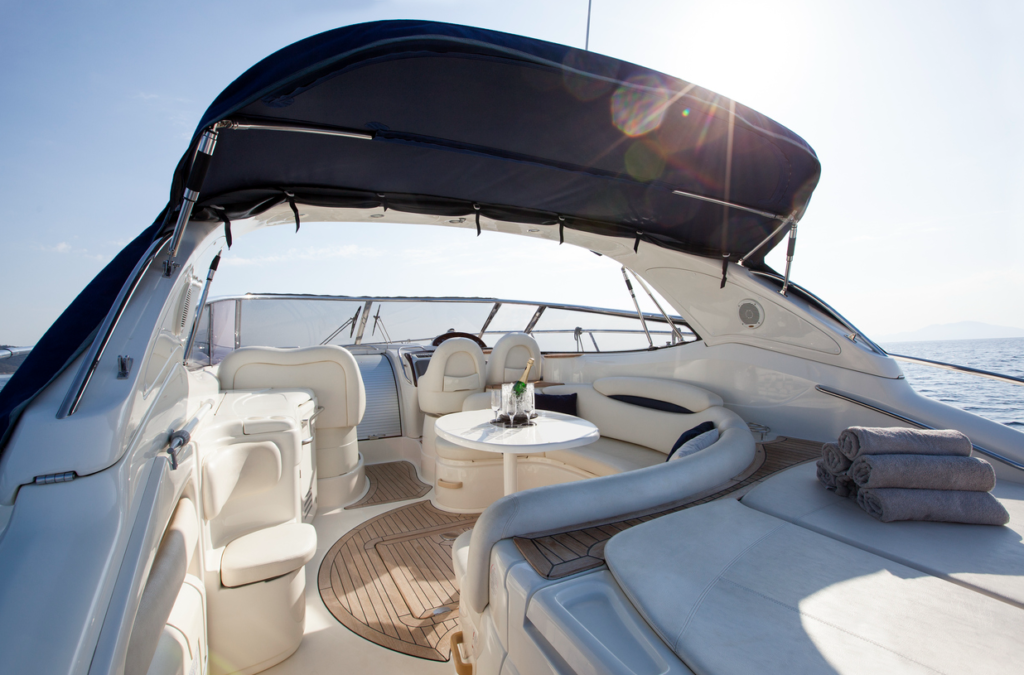
Comfort Can Influence How Much You Enjoy Your Boat
An attractive interior does not automatically provide comfortable seating. Foam quality, cushion shape, and support all influence the passenger experience. The best boat seat materials should work together with proper cushioning to provide comfort during both short outings and longer trips.
Old foam may become compressed and lose its original structure. This can make seats uncomfortable during longer trips and create an uneven appearance.
A renovation offers an opportunity to inspect the internal cushioning. Replacing worn foam while updating the exterior can improve both comfort and the finished look.
Different seats may also require different levels of support. Helm chairs, passenger benches, and lounge cushions serve distinct purposes, so their construction and boat seat materials should reflect how people use them.
Maintenance Costs Depend on Everyday Habits
Even durable upholstery requires regular care. Salt deposits, sunscreen, food, and dirt can gradually affect surfaces if owners allow them to accumulate.
A simple routine can reduce unnecessary wear:
- Remove salt residue after boating trips.
- Wipe down seats with suitable cleaning products.
- Address spills before they become difficult to remove.
- Dry wet cushions thoroughly.
- Inspect seams and stitching periodically.
- Use protective covers when the boat is stored.
Following manufacturer instructions is important because cleaning methods can vary between finishes. The wrong product may damage a surface even when used with good intentions.
Design Choices Can Support Resale Appeal
Prospective buyers often pay attention to the condition of a boat’s interior. Clean, comfortable, and well-maintained seating can contribute to a positive overall impression.
Color coordination and quality finishing details can also make an older vessel feel more modern. Neutral shades, contrasting panels, and restrained decorative stitching offer ways to update the interior without making it look overly fashionable or difficult to maintain.
Choosing boat seat materials with both appearance and durability in mind can therefore support the vessel’s presentation over time.
Plan an Upgrade Around the Entire Interior
Replacing upholstery is a useful opportunity to review the condition of the complete seating arrangement.
Owners can assess whether cushions need new foam, whether certain sections require repair, and whether the current colors still suit the vessel. They can also decide whether exposed and protected areas need different materials.
A coordinated plan helps avoid mismatched finishes and unnecessary replacement work. It also makes it easier to prioritize the areas that need attention first.
Final Thoughts
Quality marine seating combines several important elements. The exterior covering must suit the environment, the internal construction must provide reliable support, and regular maintenance must protect the finished result.
Selecting appropriate boat seat materials is an investment in comfort, appearance, and long-term practicality. By considering the vessel’s exposure, usage patterns, and maintenance needs, owners can make informed decisions that help their interiors remain enjoyable for years.
For more articles about boating, marine design, and boat maintenance, you can explore additional resources here.